

The Lobster Industry Will Not Be Saved by More Bureaucracy
Better Traceability Starts with Better Operations, Not More Paperwork.
Let’s be direct about it.
For the lobster industry, the current European Union Catch Certificate regime is the wrong solution to a real problem.
To be clear, these requirements were not aimed specifically at Canada or the lobster industry. We are one sector caught in a much broader regulatory response—but we will still have to deal with the resulting compliance burden.
The real problem is unreported catch, off-book transactions, weak visibility through parts of the supply chain, and an industry that has been slow to modernize its operating systems.
Those are legitimate issues.
The mistake is treating compliance as a separate administrative exercise.
Better traceability should come from better information systems inside the businesses themselves—from how product is received, tracked, processed, sold, and shipped. When those systems work properly, the information required for compliance should already exist.
Instead, exporters and processors are being asked to reconstruct complex product flows through layers of certificates, processing statements, resale documents, and manual entries.
But asking exporters and processors to reconstruct complex product flows through layers of certificates, processing statements, resale documents, and manual entries.
That is not solving the underlying problem. It is bureaucratic theatre.
Anyone working in the lobster business already knows this.
The irony is that lobster is one of the most valuable and respected seafood products in the world, yet large parts of the commercial system around it still operate with outdated tools and habits. Too much depends on memory, phone calls, spreadsheets, disconnected software, paper records, and processes built for another era.
That may have been workable in the past. It is not good enough now.
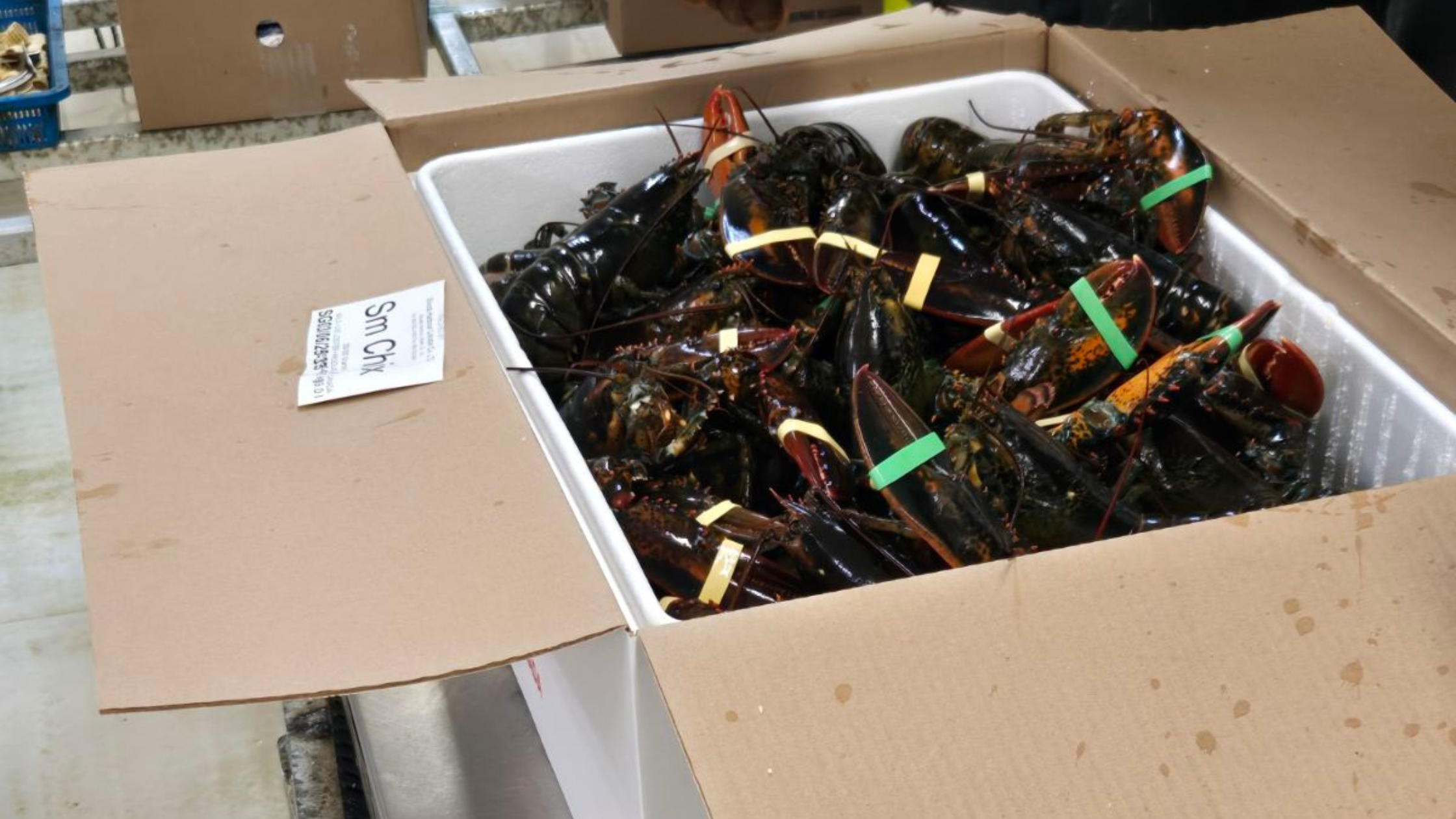
The lobster trade today is fast, global, margin-sensitive, and operationally complex. Product can move from many harvesters to buyers, into pounds, through grading, into processing, and toward multiple markets depending on demand. It may change form, location, ownership, and destination more than once before export.
That complexity is real. It is not a flaw. It is the nature of a sophisticated industry handling a premium product.
What is flawed is pretending that this can be meaningfully governed through after-the-fact paperwork.
When a system asks businesses to manually explain where every kilogram came from after product has already moved through multiple legitimate commercial steps, the result is often administrative guesswork disguised as certainty.
That is not traceability. That is form-filling.
Meanwhile, the honest operators—the very companies trying to do things properly—carry the burden. Their staff spend hours compiling records, correcting entries, chasing approvals, and managing documents that add little operational value inside the business.
And that matters.
Because every hour spent feeding a clunky compliance process is an hour not spent improving yields, tightening inventory, reducing mortality, speeding shipments, improving customer service, or building stronger companies.
There is also a broader Canadian lesson here.
When foreign regulators create new administrative requirements, the instinct cannot always be to build another domestic portal to accommodate them. Public agencies should regulate, certify, and enforce standards. They should be cautious about becoming software vendors for external bureaucracy.
That is not a criticism of Fisheries and Oceans Canada in this case. They are responding to the framework in front of them.
But it is a reminder that the cycle itself is wrong.
The better answer starts earlier and closer to reality:
Track landings properly.
Require buyer and seller records to match.
Digitize receiving.
Track inventory movement.
Measure yields.
Reconcile purchases against sales.
Flag anomalies.
Audit bad actors.
Make compliance the output of a well-run system, not a separate layer placed on top of a poorly connected one.
That is how serious industries operate.
The best traceability systems do not just create records for regulators. They help operators run better businesses. They reduce waste. They improve decisions. They strengthen trust with customers. They reward the companies doing things properly.
That is the standard the lobster industry should be aiming for.
And to be fair, industry bears responsibility here too.
If sectors tolerate off-book transactions, fragmented records, and outdated commercial practices for too long, outside authorities will eventually impose solutions of their own. Those solutions are rarely elegant. They are usually blunt, expensive, and built far from the dock.
That is exactly what we are seeing now.
So this is not an argument against accountability.
It is an argument for smarter accountability.
Canada has a world-class lobster resource. Atlantic Canada has world-class people working in the fishery. The commercial systems surrounding that resource should be world-class too.
The next chapter should not be more PDFs more passwords, and more paperwork.
It should be modern infrastructure, real-time visibility, credible enforcement, and businesses that are stronger because traceability exists—not weaker because paperwork does.